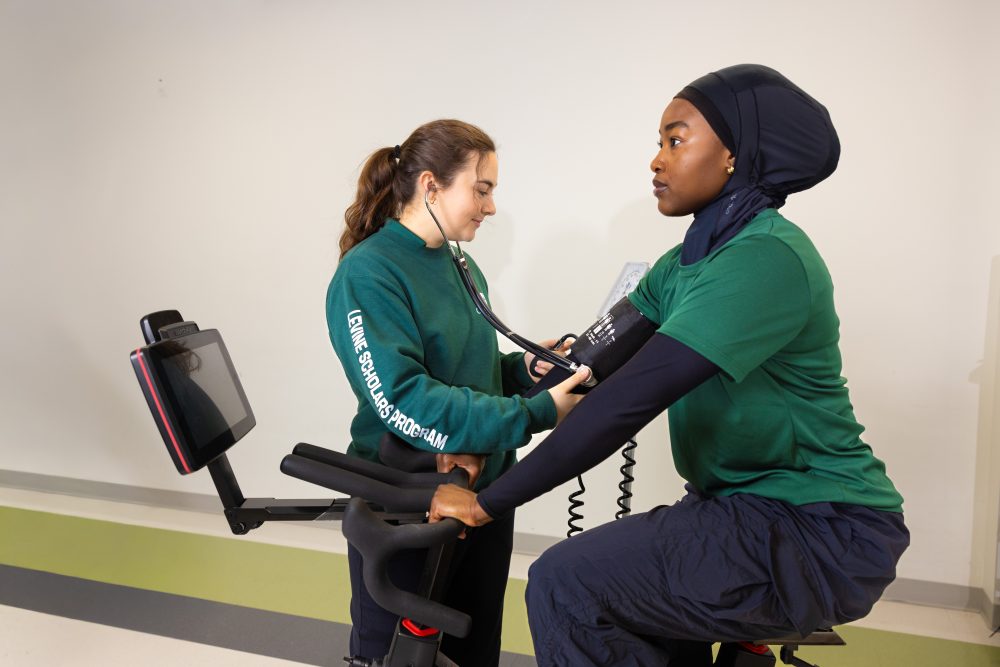
Kinesiology graduate student is redefining strength, wellness and community impact
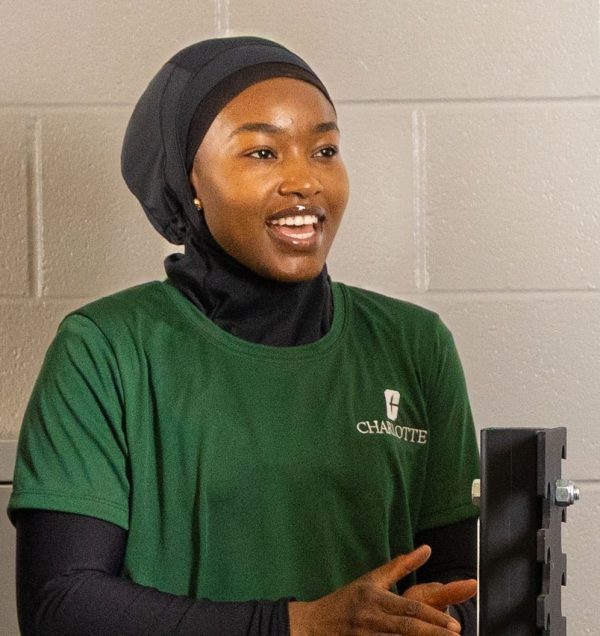
In recognition of Graduate Student Appreciation Week, we posed a few questions to Theresa Kumazah, a Master of Science in Kinesiology student with a concentration in strength and conditioning. Kumazah is on track to graduate in 2027. She is also the founder of BeOne Nexus, a nonprofit holistic health and wellness hub.
Why did you choose to study kinesiology?
I chose kinesiology because it sits at the intersection of science, performance and human impact. More personally, it reflects my journey of understanding the body as something to be stewarded, not just trained. As I’ve grown in my own wellness journey, I’ve become passionate about helping people not only move better but feel more aligned in their bodies. Kinesiology gives me the evidence-based foundation to pair that deeper, more holistic perspective with real, measurable impact.
Why did you choose the strength and conditioning concentration?
Strength and conditioning stood out to me because it’s where discipline, intention and transformation meet. It’s not just about performance, it’s about building resilience, physically and mentally. I’m especially drawn to how it can be used not only to enhance athletic performance, but to prevent injury, support longevity and empower individuals to move through life with strength and confidence.
What would you like people to know about kinesiology that they may not be aware of?
I think a lot of people see kinesiology as just exercise science, but it’s really about understanding the body on a much deeper level — how it adapts, heals and responds to stress. It applies to athletes, but also to everyday individuals, aging populations and even how we show up in our daily lives. Movement is one of the most foundational yet overlooked aspects of overall well-being.
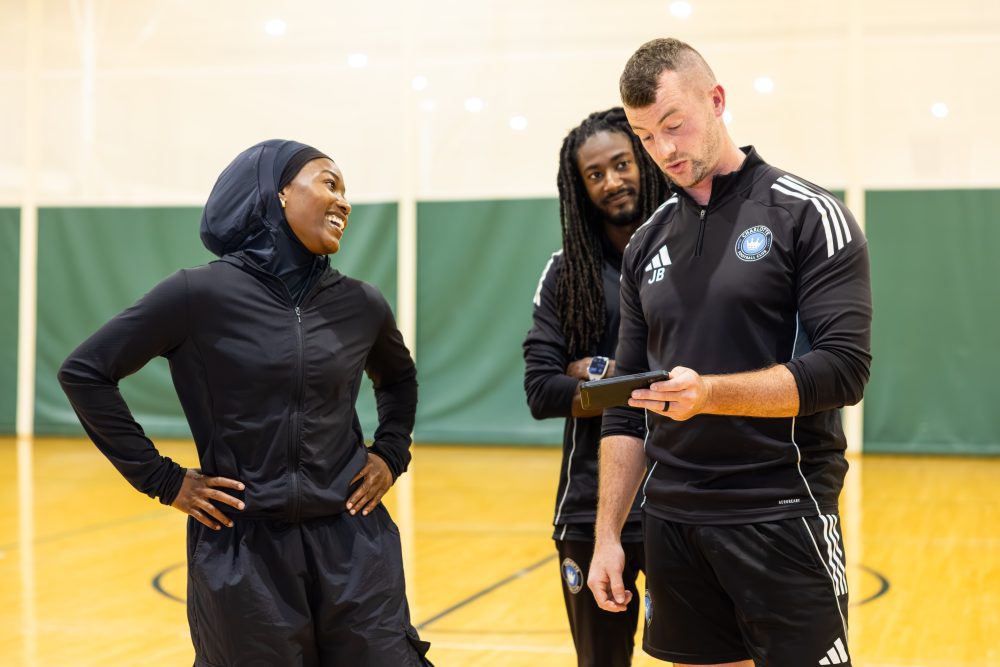
What is something surprising that you’ve learned during your graduate studies?
One thing that’s surprised me is just how nuanced and individualized training really is. Small adjustments in programming, recovery or even lifestyle factors can significantly shift outcomes. It reinforced for me that there’s no one-size-fits-all approach. True effectiveness comes from understanding the full picture of a person’s life, not just their workouts.
What are your plans after graduation?
After graduation, I plan to continue growing within the strength and conditioning space while expanding my work in community wellness. Through my nonprofit organization and personal brand, I want to create programs and spaces that make health and performance more accessible — especially for communities that are often overlooked, while also continuing to build as a coach, educator and speaker.
Talk about the nonprofit you’re creating.
BeOne Nexus is a holistic and wellness hub that I’m currently building. It’s centered on bridging the gap between inner strength and collective growth. It integrates personal development with community engagement. Through the BeOne side, we focus on individual wellness. Through the Nexus side, we prioritize connection and community. I’m the founder, and while it’s still in the early stages of development, the vision is to grow it into a space that makes holistic health more accessible, intentional and community-driven.
How do you plan to use your master’s degree on your career path?
I plan to use my degree as both a foundation and a bridge — connecting science-backed training with education, community impact and purposeful living. Whether I’m coaching, sharing value and insight online or leading initiatives, my goal is to help people build strength not just physically, but in a way that supports their long-term health, identity and overall alignment.