From distraction to purpose: Military veteran graduates from UNC Charlotte ready to serve others
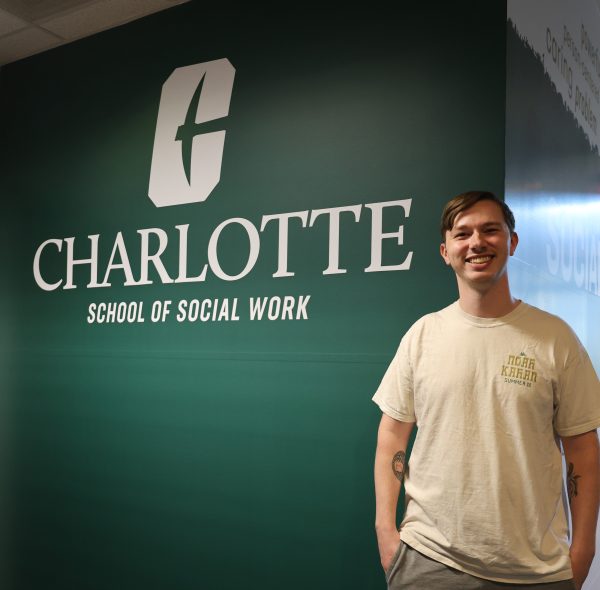
Before he reached UNC Charlotte, Aaron Kempster spent most of his time running away. After high school he ran away to the U.S. Marine Corps. After the Marines, he ran away to travel the globe. After globe-trotting, he ran away to self-medicate.
“It was continuous escapism,” he said.
Once he got to Charlotte, he stopped running. But he didn’t stand still. On May 8, he will graduate with a Bachelor of Social Work from the College of Health and Human Services.
“This has been the most impactful two years of my life,” he said.
After earning an associate degree from Central Piedmont Community College, Kempster entered the School of Social Work upper division in 2024. He had just two years to make an impact at UNC Charlotte and didn’t want to waste any time. “My goal when I got here was to do as much as possible,” he said.
So he did.
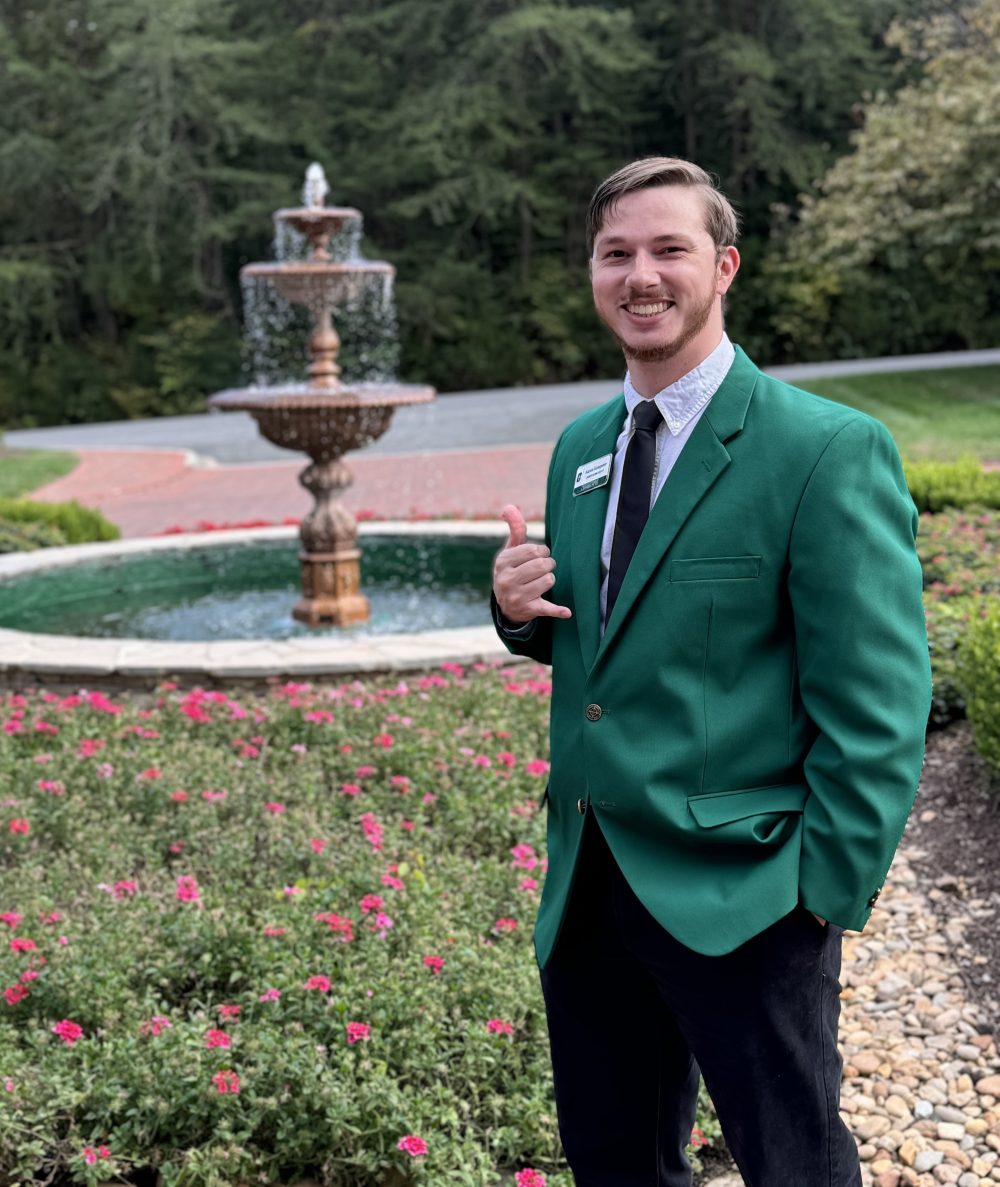
Kempster became a member of UNC Charlotte’s Student Alumni Society where he took on the role of programming chair and completed nearly 400 hours of service to the University through the organization.
“The Student Alumni Society gave me more than I thought it would,” Kempster said. “I got the chance to be in rooms with very influential people at the University.”
He found his time with the Student Alumni society to be so enriching that he created a scholarship in his name for second-year members. “I wanted to give back to the organization because it really shaped my experience at UNC Charlotte,” he said.
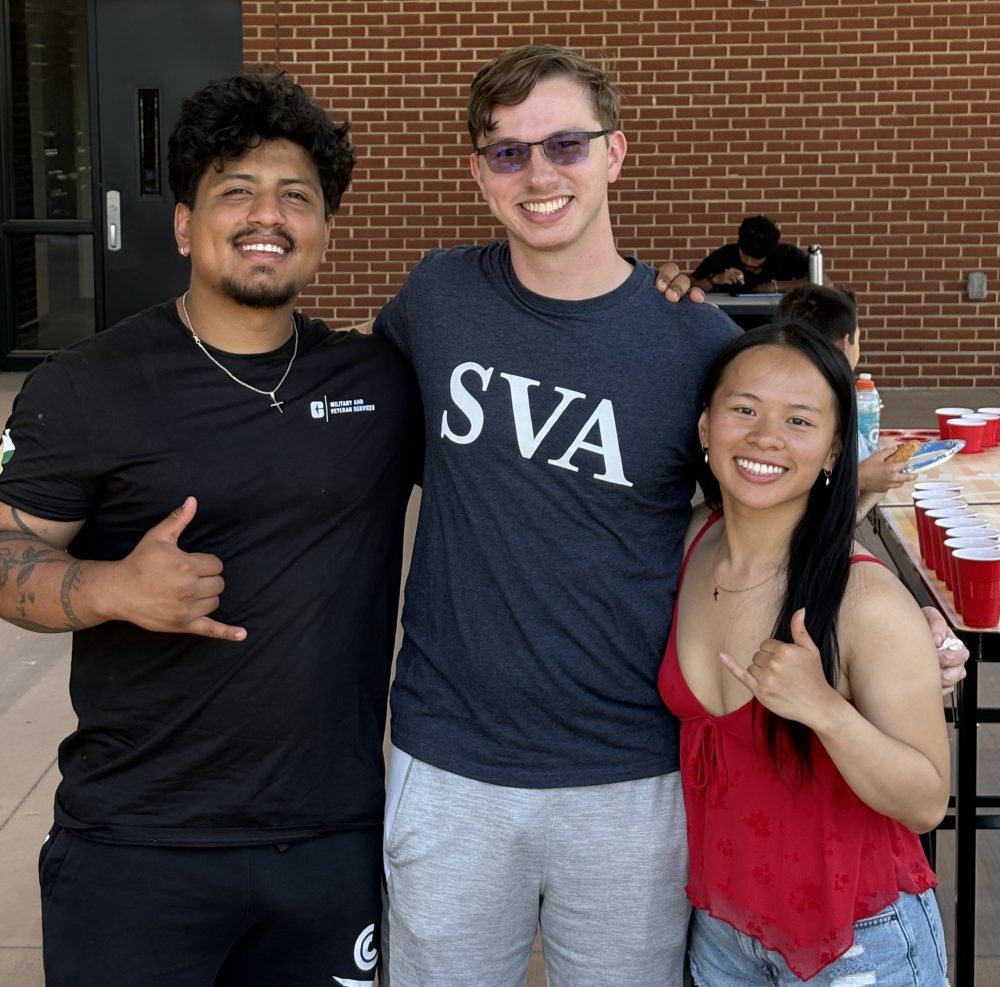
Kempster also joined the Student Veterans of America – 49ers Chapter where he became vice president and led the chapter’s efforts to hold its first Student Veterans of America tournament on campus.
The Journey
Kempster was all ears when he encountered a recruiter at his high school in Brooklyn, New York. “It’s hilarious to say now but I was burned out from school. I thought about joining the military and getting out on my own and getting some independence,” he said.
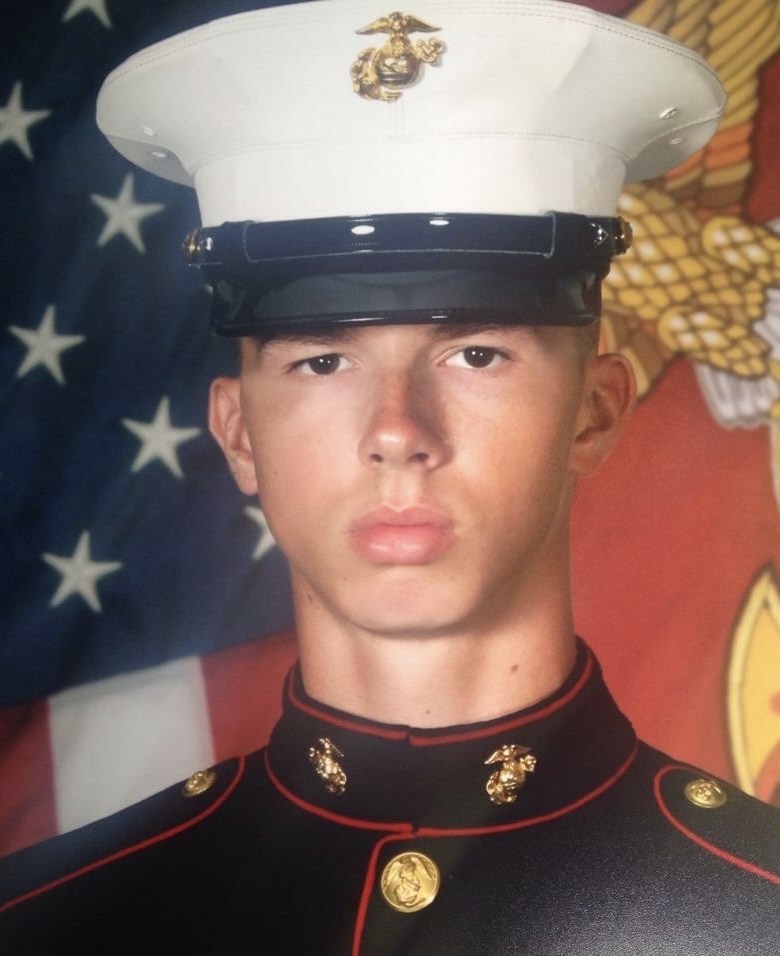
Though he hadn’t even heard of the Marine Corps before meeting with the recruiter, Kempster signed up when he was 17 and shipped out when he was 18, just two weeks after graduating high school.
Kempster served two noncombat deployments at Camp Pendleton, California, working with combat engineers. For three of his four years of active duty service, he struggled with depression.
“I think it was related to the abusive environment,” he said. “I didn’t feel connected to anyone outside of the Marines. I didn’t have a life outside the Marines. I developed depression and drinking issues.”
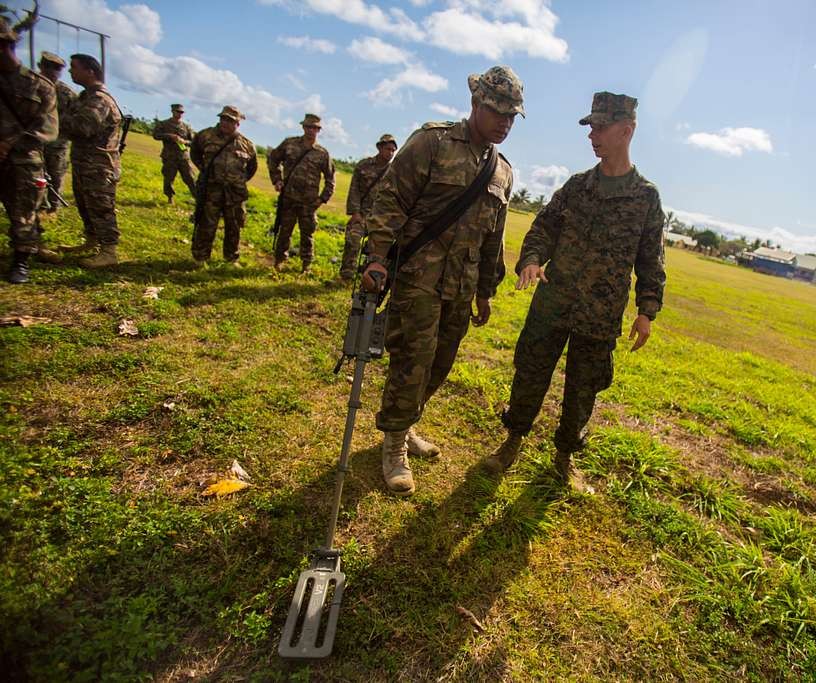
After taking a vacation with his family while he was nearing the end of his military contract, it dawned on him that he’d forgotten what it felt like to be happy. “I had such a great time being away. When I got back, I decided to get out.”
Trying to alleviate the suicidal thoughts that had developed while in the Marines, the first thing Kempster did when he left the service was book a trip to Europe. He ultimately spent 10 months traveling the globe: six continents and more than 35 countries. “I didn’t notice this until I went to treatment but traveling was a way for me to have constant stimulation,” he said.
To pay for his travels, Kempster wiped out his savings and retirement accounts. “It was a self-destructive time. I was in the head space of ‘I’m only living for now.’ That was my perspective.”
Everything came crashing down once the COVID-19 pandemic hit. Not able to travel anymore and with no money and no job, Kempster moved in with his mother and siblings in Charlotte. “COVID forced me to stop and face my demons,’’ he said.
To battle those demons, he turned to recreational drugs.
“I got to a point where smoking weed was making me sick. I was smoking constantly. When I stopped, I had severe panic attacks and my depression went through the roof,” he said.
He reached out to his mother for help and was placed on a psychiatric hold for 10 days. Afterwards, he went to HopeWay, a mental health treatment facility in Charlotte.
“That’s where I began to get my feet under me. I was given tools to live a better life,” Kempster said. “I wanted to learn about myself. I wanted to know everything there was to know about trauma and mental health. I wanted to learn about substance abuse.”
It was his time at HopeWay that sparked his journey to an education in social work. “Because I was helped and these people saved my life, I wanted to be that for someone. I know that even when you’re in your darkest place there’s a chance to come out of that.”
To get into social work, Kempster would need a degree. Going back to school after being away for so long was a daunting task so he chose to attend a community college to get his groove back. “I hadn’t been in school for quite a while. I was worried that I wouldn’t be good at it so I dipped my toe in over there.”
He ended up succeeding and made the move to UNC Charlotte to complete a bachelor’s degree.
The Destination
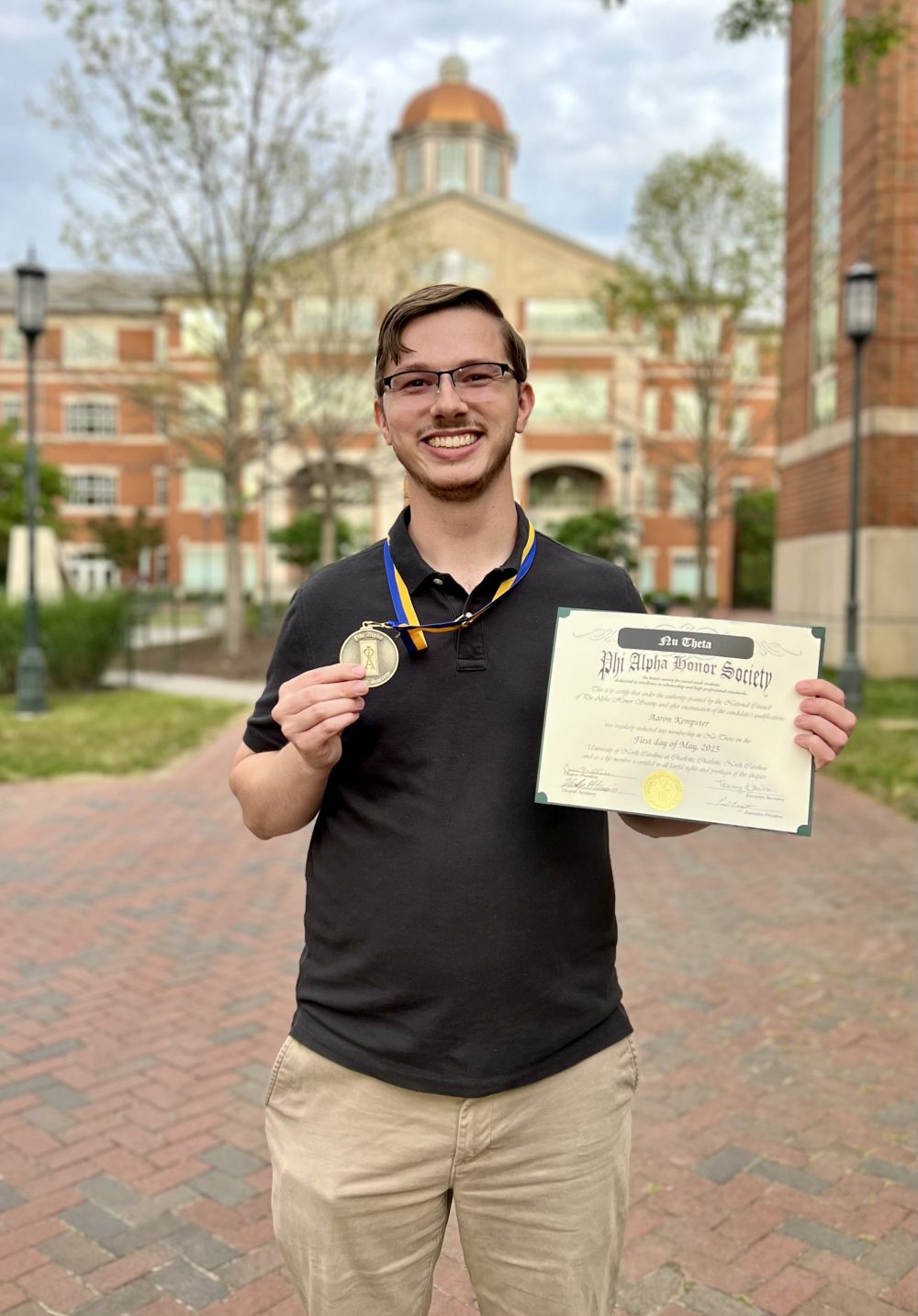
Not only did Kempster turn his life around while at the University, he also excelled academically and became a member of the Phi Kappa Phi and Phi Alpha Honor Societies. He made the Chancellor’s List each semester.
And he diligently focused on his social work studies.
“UNC Charlotte’s social work program promotes advocacy and putting yourself on the front lines, getting into macro work and policy and making an impact on the community,” Kempster said. “My classroom experience was broad. I got to see that social work is more than mental health or child protective services.”
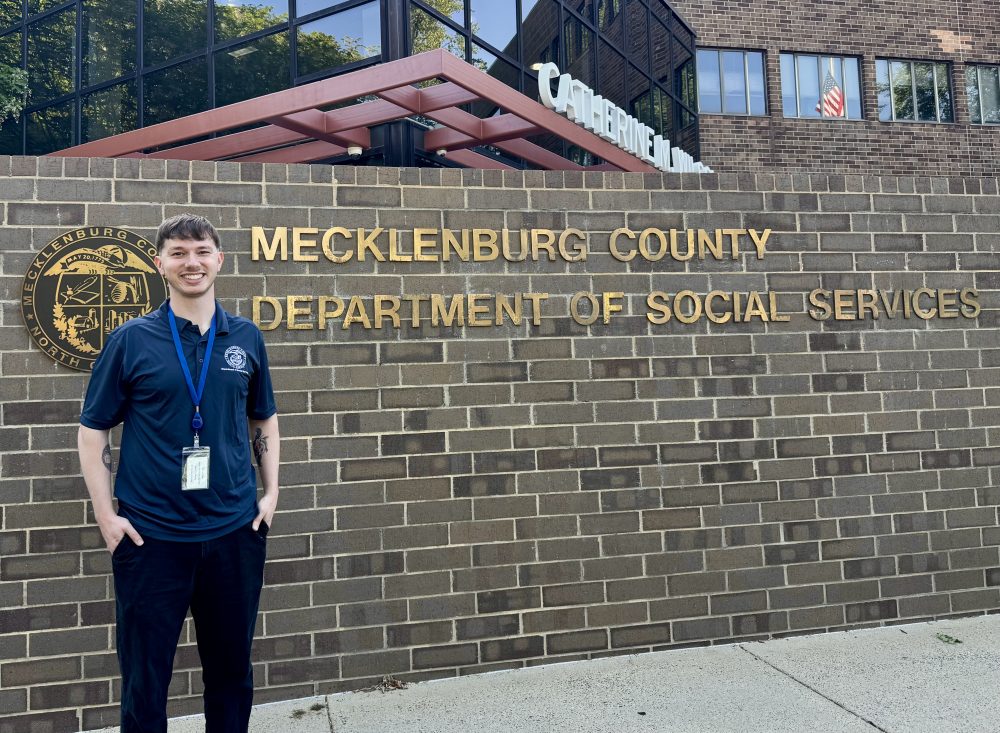
For the required practicum in his senior year, Kempster was placed with the Mecklenburg County Department of Social Services. There he worked with the More Than a Job NC program, which provides job-driven, skills-based training for people receiving food assistance. Kempster was given a case load and conducted assessments. “I was able to see how social workers help meet their clients’ needs,” he said.
Kempster will attend the University of Michigan in the fall to pursue a Master of Social Work and will specialize in the Interpersonal Practice in Integrated Health, Mental Health, and Substance Abuse pathway, which focuses on total health and the connection between physical, mental and behavioral health. After earning the master’s degree, he wants to work for the U.S. Department of Veterans Affairs.
“The VA will cover my licensing and allow me to be in a clinical setting. They are also big on continuing education and certifications. It would give me a chance to pack my resume and use that as a jumping off point.”
After that he sees himself with a few different options for the future — private practice, higher education or policymaking.
“I’ve lived a lot of different lives in a short period of time,” Kempster said. “I like to maximize as much as possible. I want the most out of everything I do.”
Written by Pam Davis